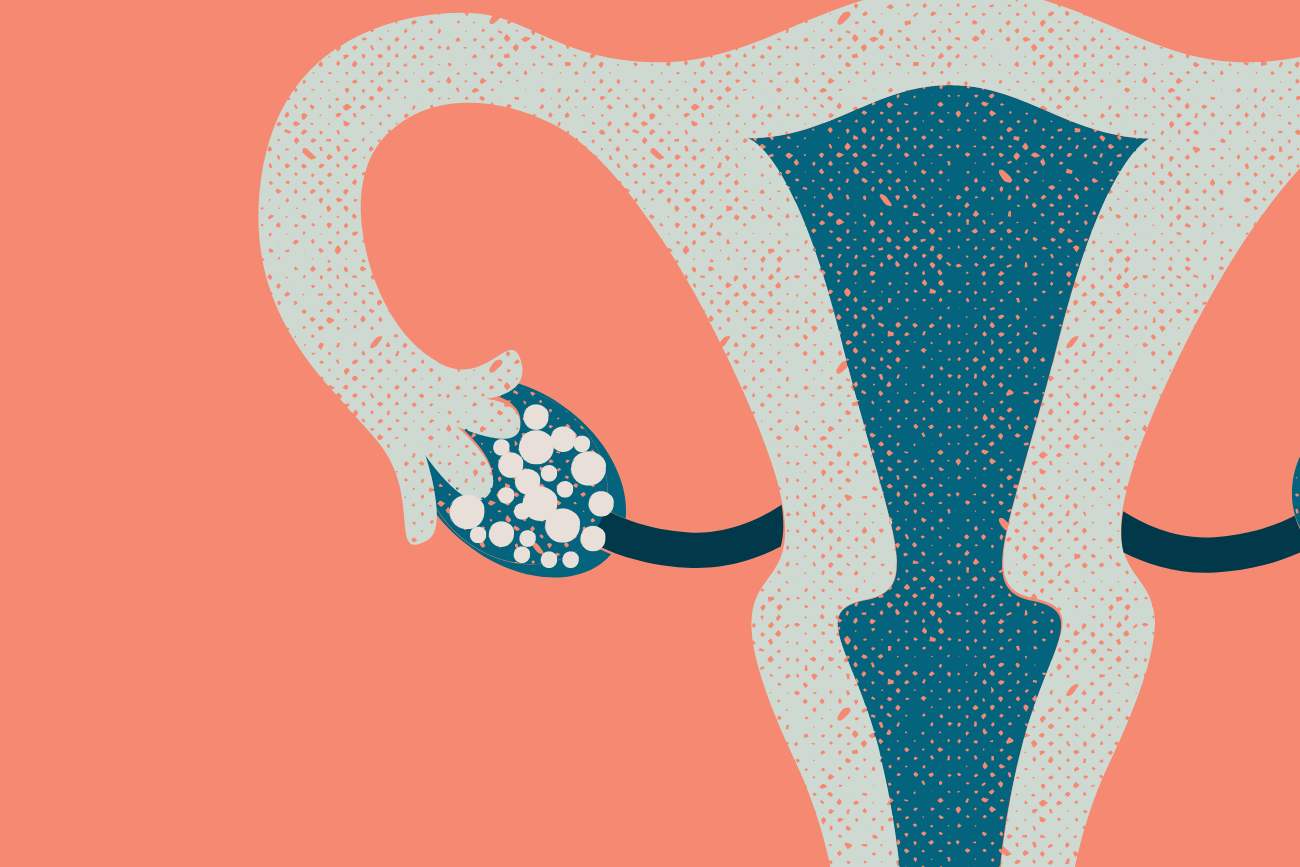
Polycystic ovarian syndrome (PCOS) is a hormonal imbalance/metabolic disorder that affects biological females of reproductive age. According to the American Society for Reproductive Medicine (ASRM), 5-10 % of women are affected by PCOS. The cause of PCOS remains unknown but often runs in families.
Frequently, women are diagnosed with polycystic ovarian syndrome in their teens or twenties by their OB/GYN and told to not worry about it until they are ready to have babies. However, people diagnosed with PCOS can take a more proactive approach towards maintaining their reproductive health at any age.
What are the common symptoms of PCOS?
- Irregular or infrequent periods
- Acne
- Weight gain
- Excessive body hair
- Thinning hair
How is polycystic ovarian syndrome diagnosed?
A physician can diagnose polycystic ovarian syndrome by evaluating the patient’s history and conducting a physical examination, along with a pelvic ultrasound and hormonal bloodwork. A string of pearls is a term often used to describe what is seen on a pelvic ultrasound. This refers to the presence of multiple small follicles seen on the ovary during the pelvic ultrasound.
Studies have also found that polycystic ovarian syndrome is associated with extremely high anti-Mullerian hormone (AMH) levels. The physician might also assess the patient’s insulin levels to detect insulin resistance. This is because the majority of PCOS patients have high insulin levels, which could be further impacted by body weight.
There is evidence that PCOS is associated with chronic inflammation. Some believe that chronic inflammation is linked to some features of PCOS, such as heart disease and insulin resistance.
Can PCOS affect your chances of achieving pregnancy?
It is natural to be concerned about your ability to get pregnant when you receive a PCOS diagnosis. PCOS has often been correlated with an increase in miscarriage. Additionally, PCOS patients frequently have irregular periods which could contribute to dysfunctional ovulation, making it more challenging to conceive.
Although it may be more difficult to conceive when diagnosed with polycystic ovarian syndrome, it is possible to have a successful pregnancy with proper preconception care and intervention.
PCOS treatment and support
There are several things that a patient with PCOS can address, whether or not they are ready to start a family. Lifestyle modifications can dramatically help relieve the symptoms of polycystic ovarian syndrome. Since a common symptom of PCOS is weight gain, focusing on weight loss, increasing physical activity, and having a healthy diet can be beneficial. Sometimes, just a small amount of weight loss can regulate menstrual cycles and restore ovulation.
Women with PCOS may find it beneficial to discuss the possibility of supplements and pharmacological intervention with their health care provider. Myo-inositol and Metformin can potentially assist with insulin resistance and promote ovulation.
If you have polycystic ovarian syndrome and are having trouble getting pregnant, it could be helpful to work with your doctor to identify if you have any contributing health issues that are linked to PCOS. Since PCOS can be associated with inflammation, a comprehensive assessment of autoimmune and immunologic factors may be a valuable troubleshooting tool. The IRMA report can be used to uncover underlying issues that contribute to reproductive failures.
We’re committed to helping people grow their families and helping doctors provide answers and support to their patients. Don’t hesitate to reach out to us if you think that means we can help you.
Contact us at [email protected]
More to read
- Research HLA Antibodies and Pregnancy: Research Review
- Press A Different View on IVF with Dr. Andrea Vidali
- Research HY Immunity and Pregnancy: Research Review
- Research Leiden Factor V and Pregnancy: Research Review
- Research Exploring the benefits of Resveratrol in managing endometriosis.
- Research Highlight on Vitamin D: A Natural Ally in the Battle Against Endometriosis