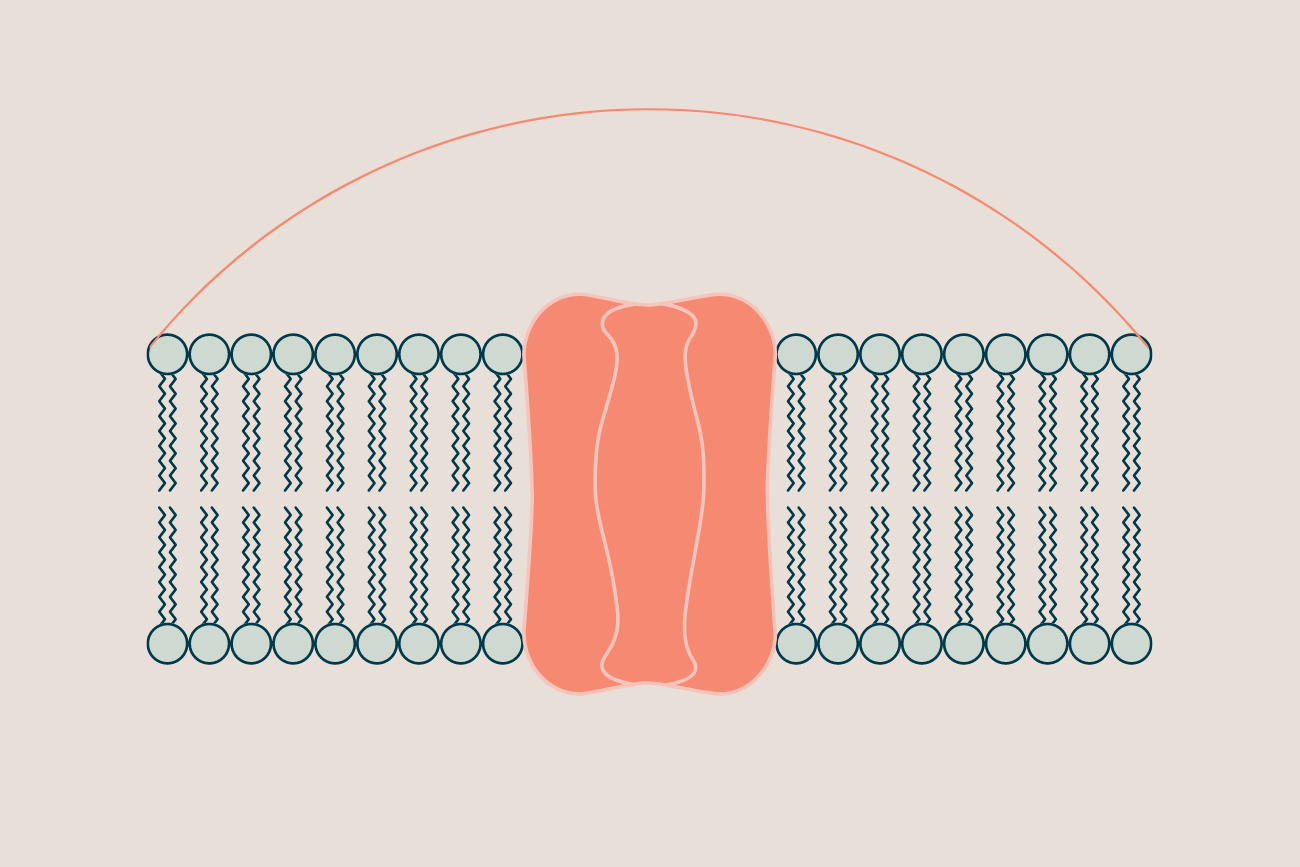
The complement system is part of the innate immune system and, when activated, is a strong inducer of inflammation. C3 and C4 are two key proteins in the complement system. Complement activation has been linked to pregnancy complications like pre-eclampsia.
Whether caused by an autoimmune condition, infection, allergies, or another source, inflammation has been associated with reproductive challenges. During a healthy pregnancy, the body must be able to shift to a relatively anti-inflammatory state to maintain the pregnancy.
Physiology
The complement is a system of serum proteins that comprises an important effector arm of the innate immune system and is associated with macrophage activation and inflammation.
Three different pathways activate the complement system:
- the classical pathway is activated by antigen–antibody complexes
- the alternative pathway activated by microbial surfaces
- the lectin pathways are activated by microbial surfaces.
These pathways converge and their activation results in the generation of C3a, C4a, and C5a anaphylatoxins (potent inflammatory molecules) and the membrane attack complex MAC (C5b, 6,7,8, and 9).
The complement and coagulation pathways are closely interacting1-2 with C5a inducing procoagulant activity1 and reducing fibrinolysis. C3a and C5a also activate endothelial cells and platelets3, inducing increased levels of adhesion factors and procoagulant activity4-6.
Complement activation has dramatic effects on placenta causing inflammation and placental injury7, two main culprits of fetal loss in APS8 in addition to triggering pre-eclampsia9.
Published clinical data
Various studies explored complement activation in the circulation of women with preeclampsia and found higher complement activity as compared to healthy control pregnancies10-12.
Similarly, clinical studies support the role of complement activity as seen by lower levels of C3 and C4 complement levels in obstetrical complications occurring in patient with antiphospholipid syndrome13-16 or Systemic Lupus Erythematosus 17.
Indeed, a correlation between elevated levels of complement activation fragments (Bb and C3a) and preterm birth has been reported18-19.
Interestingly, some proteins of the complement activation (factor B and H) were found to be useful biomarkers to predict preterm birth as early as 15 weeks of pregnancy 20.
References
- Ritis K, Doumas M, Mastellos D, Micheli A, Giaglis S, Magotti P, et al. A novel C5a receptor-tissue factor crosstalk in neutrophils links innate immunity to coagulation pathways. J Immunol. (2006) 177:4794–802.
- Foley JH, Conway EM. Cross talk pathways between coagulation and inflammation. Circ Res. (2016) 118:1392–408.
- Subramaniam S, Jurk K, Hobohm L, Jäckel S, Saffarzadeh M, Schwierczek K, et al. contributions of complement factors to platelet activation and fibrin formation in venous thrombus development. Blood. (2017) 129:2291–302.
- Facciabene A, De Sanctis F, Pierini S, Reis ES, Balint K, Facciponte J, et al. Local endothelial complement activation reverses endothelial quiescence, enabling t-cell homing, and tumor control during t-cell immunotherapy. Oncoimmunology. (2017) 6: e1326442.
- Noone DG, Riedl M, Pluthero FG, Bowman ML, Liszewski MK, Lu L, et al. Von Willebrand factor regulates complement on endothelial cells. Kidney Int. (2016) 90:123–34. 10.1016/j.kint.2016.03.023.
- Riedl M, Noone DG, Khan MA, Pluthero FG, Kahr WHA, Palaniyar N, et al. Complement activation induces neutrophil adhesion and neutrophil-platelet aggregate formation on vascular endothelial cells. Kidney Int Rep. (2017) 2:66–75.
- Redecha P, Franzke CW, Ruf W, Mackman N, Girardi G. Neutrophil activation by the tissue factor/Factor VIIa/PAR2 axis mediates fetal death in a mouse model of antiphospholipid syndrome. J Clin Invest. (2008) 118:3453–61.
- Chaturvedi S, Brodsky RA, McCrae KR. Complement in the Pathophysiology of the Antiphospholipid Syndrome. Front Immunol . 2019; 10:449. Published 2019 Mar 14.
- Pierik E, Prins JR, van Goor H, et al. Dysregulation of Complement Activation and Placental Dysfunction: A Potential Target to Treat Preeclampsia? Front Immunol . 2020;10: 3098. Published 2020 Jan 15. doi:10.3389/fimmu.2019.03098.
- Ye Y, Kong Y, Zhang Y. Complement split products C3a/C5a and receptors: are they regulated by circulating angiotensin II type 1 receptor autoantibody in severe preeclampsia? Gynecol Obstet Invest.
- Boij R, Svensson J, Nilsson-Ekdahl K, Sandholm K, Lindahl TL, Palonek E, et al. Biomarkers of coagulation, inflammation, and angiogenesis are independently associated with preeclampsia. Am J Reprod Immunol. (2012) 68:258–70.
- Derzsy Z, Prohászka Z, Rigó J, Füst G, Molvarec A. Activation of the complement system in normal pregnancy and preeclampsia. Mol Immunol. (2010) 47:1500–6.
- Reggia R, Ziglioli T, Andreoli L, Bellisai F, Iuliano A, Gerosa M, et al. Primary anti-phospholipid syndrome: any role for serum complement levels in predicting pregnancy complications? Rheumatology. (2012) 51:2186–90.
- Oku K, Atsumi T, Bohgaki M, Amengual O, Kataoka H, Horita T, et al. Complement activation in patients with primary antiphospholipid syndrome. Ann Rheum Dis. (2009) 68:1030–5.
- Breen KA, Seed P, Parmar K, Moore GW, Stuart-Smith SE, Hunt BJ. Complement activation in patients with isolated antiphospholipid antibodies or primary antiphospholipid syndrome. Thromb Haemost. (2012) 107:423–9.
- De Carolis S, Botta A, Santucci S, Salvi S, Moresi S, Di Pasquo E, et al. Complementemia and obstetric outcome in pregnancy with antiphospholipid syndrome. Lupus. (2012) 21:776–8.
- Hazeltine M, Rauch J, Danoff D, Esdaile JM, Tannenbaum H. Antiphospholipid antibodies in systemic lupus erythematosus: evidence of an association with positive Coombs’ and hypocomplementemia. J Rheumatol. (1988) 15:80–6.
- Lynch AM, Gibbs RS, Murphy JR et al (2008) Complement activation fragment bb in early pregnancy and spontaneous preterm birth. Am J Obstet Gynecol 199: 354.e1–354.e8
- Lynch AM, Gibbs RS, Murphy JR et al (2011) Early elevations of the complement activation fragment C3a and adverse pregnancy outcomes. Obstet Gynecol 117:75–83.
- Lynch AM, Wagner BD, Deterding RR et al (2016) The relationship of circulating proteins in early pregnancy with preterm birth. Am J Obstet Gynecol 214:517.e1–517.e8.
More to read
- Research Leiden Factor V and Pregnancy: Research Review
- Research Folic Acid and Pregnancy: Research Review
- Research Early pregnancy failure is associated with fewer and defective regulatory T cell in peripheral blood
- Research Natural Killer Cells and Pregnancy: Research Review
- Research Vitamin D and Pregnancy: Research Review
- Research Antinuclear Antibodies and Pregnancy: Research Review